The Australian Steel Institute (ASI) has called on the Productivity Commission (PC) to approve safeguard measures on imported fabricated structural steel, arguing that rising low-cost imports are threatening the long-term viability of Australia’s domestic fabricated steel industry.
According to the association, both provisional and long-term safeguard measures are necessary. The ASI is seeking the implementation of a 50 percent tariff rate quota (TRQ) based on import levels prior to the recent surge in shipments. It also stated that immediate provisional measures are needed to prevent irreversible damage to domestic producers.
Imports surge amid global overcapacity
ASI CEO Mark Cain stated that Australia’s steel market is increasingly exposed to excess global steel capacity and redirected trade flows.
The institute noted that imports of fabricated structural steel increased sharply between 2022 and 2024, particularly after countries such as the United States, the European Union, and Canada introduced protective trade measures that redirected excess supply toward more open markets including Australia.
Industry warns of serious injury from imports
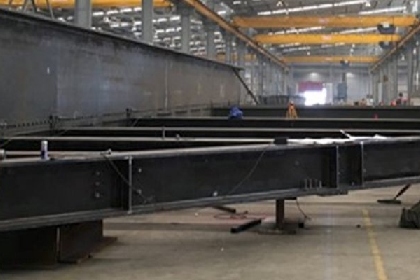
According to the ASI, the domestic fabricated steel sector is suffering serious injury due to subsidized imports and aggressive price undercutting. It emphasized that fabricated structural steel is not a commodity product but a specialized industrial segment requiring engineering expertise, skilled labor, and significant capital investment.
The institute warned that once domestic production capacity is lost, rebuilding the sector would be difficult and time-consuming. “Business closure will result in a loss of this capability and capacity, which cannot be quickly reconstituted in the case of supply chain disruptions or further crises,” the ASI stated.
The organization also highlighted the strategic role of fabricated structural steel for Australia’s infrastructure projects and critical sectors including defense, mining, agriculture, transportation, and energy.
OECD overcapacity concerns cited
The institute added that OECD analysis shows global subsidy-driven steel overcapacity continues to expand despite weak domestic demand in many producing countries. According to the ASI, this increases the risk of additional redirected steel exports entering Australia and placing further pressure on local producers.
“The preliminary evidence clearly supports a finding that increased imports of fabricated structural steel have caused and are threatening to cause serious injury,” Cain added.
The Productivity Commission is expected to issue its final decision regarding the safeguard investigation later this year.